
Transform Your Back Health Through Yoga
Discover evidence-based yoga practices designed to reduce back pain, improve flexibility, and strengthen your core. Join our community of thousands who have found relief through mindful movement.
Why Yoga Works for Back Pain
Spinal Alignment
Yoga poses gently realign your vertebrae, reducing compression and nerve irritation that causes discomfort.
Core Strengthening
Building strength in your core muscles provides essential support for your lower back and improves posture.
Tension Release
Mindful stretching and breathing release chronic muscle tension that accumulates from stress and poor posture.
Mindful Awareness
Yoga cultivates body awareness, helping you identify and correct movement patterns that contribute to back pain.
Scientific Evidence Behind Yoga for Back Relief
Research consistently demonstrates that regular yoga practice significantly reduces chronic back pain and improves mobility. Research suggests that regular yoga practice may be as helpful as other stretching programs for managing lower back discomfort.
Unlike passive interventions, yoga engages your body actively, strengthening muscles that protect your spine while improving flexibility and range of motion. The combination of controlled stretching, gentle strengthening, and mindful breathing creates lasting changes in your musculoskeletal system.
- Reduces inflammation: Gentle movements increase blood flow and reduce inflammatory markers.
- Improves disc health: Regular practice enhances hydration and nutrition of spinal discs.
- Enhances proprioception: Better body awareness prevents re-injury.
- Reduces stress: Mind-body connection lowers cortisol and promotes healing.
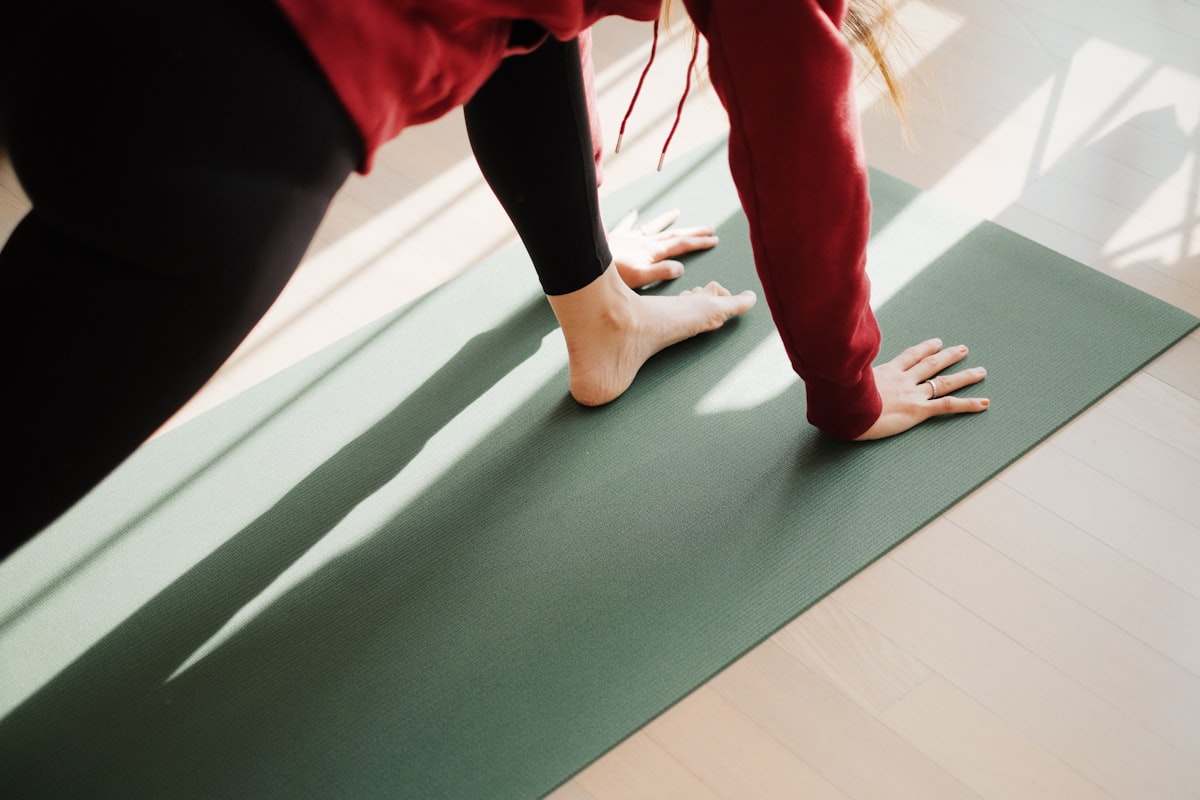
Your 6-Week Transformation Journey
Week 1-2: Foundation & Awareness
Begin with basic poses to understand proper alignment and body mechanics. You'll learn foundational stretches and gentle strengthening exercises while building awareness of your pain patterns and movement limitations.
Week 3-4: Building Strength
Progress to deeper poses and more challenging variations. Your core muscles strengthen significantly during this phase, providing better support for your spine and reducing discomfort during daily activities.
Week 5-6: Integration & Mastery
Combine strength, flexibility, and mindfulness into flowing sequences. You'll develop sustainable practices and notice significant improvements in pain levels, mobility, and overall posture. Many participants experience noticeable relief by this point.
Essential Poses for Back Relief
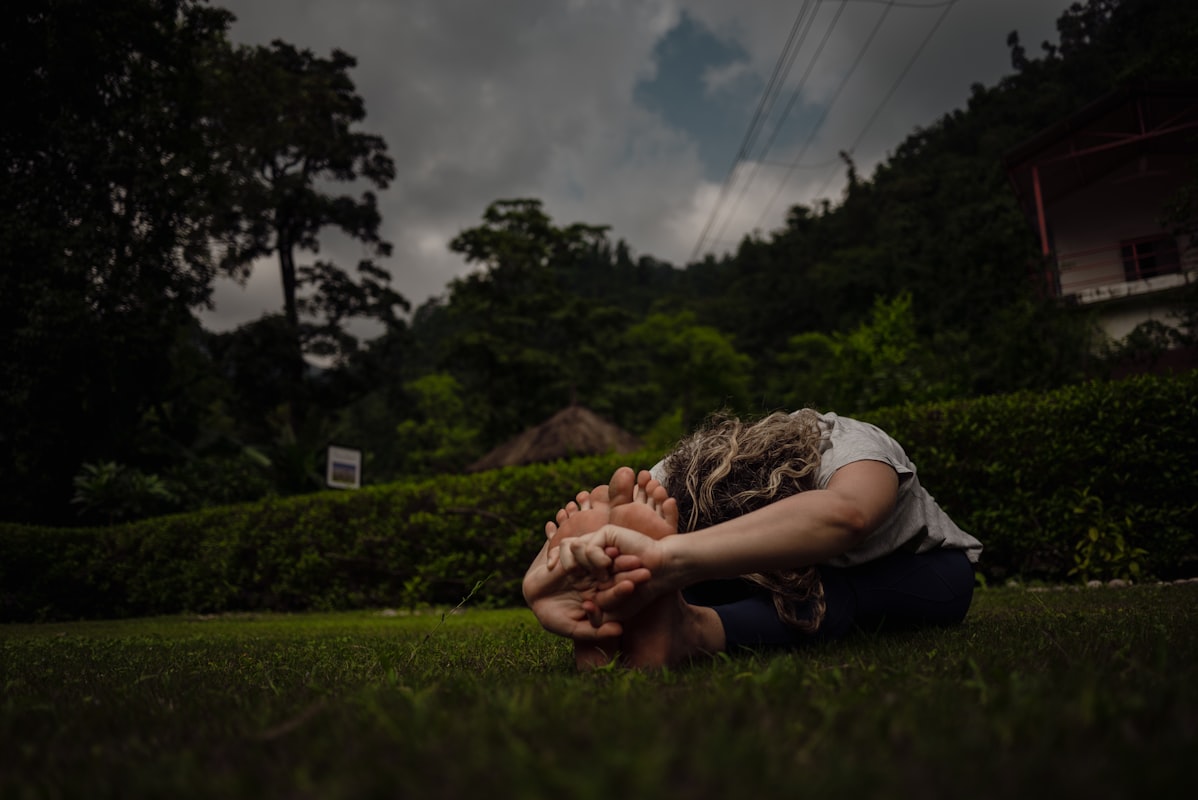
Child's Pose (Balasana)
A gentle resting pose that stretches your lower back, hips, and shoulders. This calming posture releases tension in the spinal muscles and promotes relaxation of the entire back chain.
Learn technique →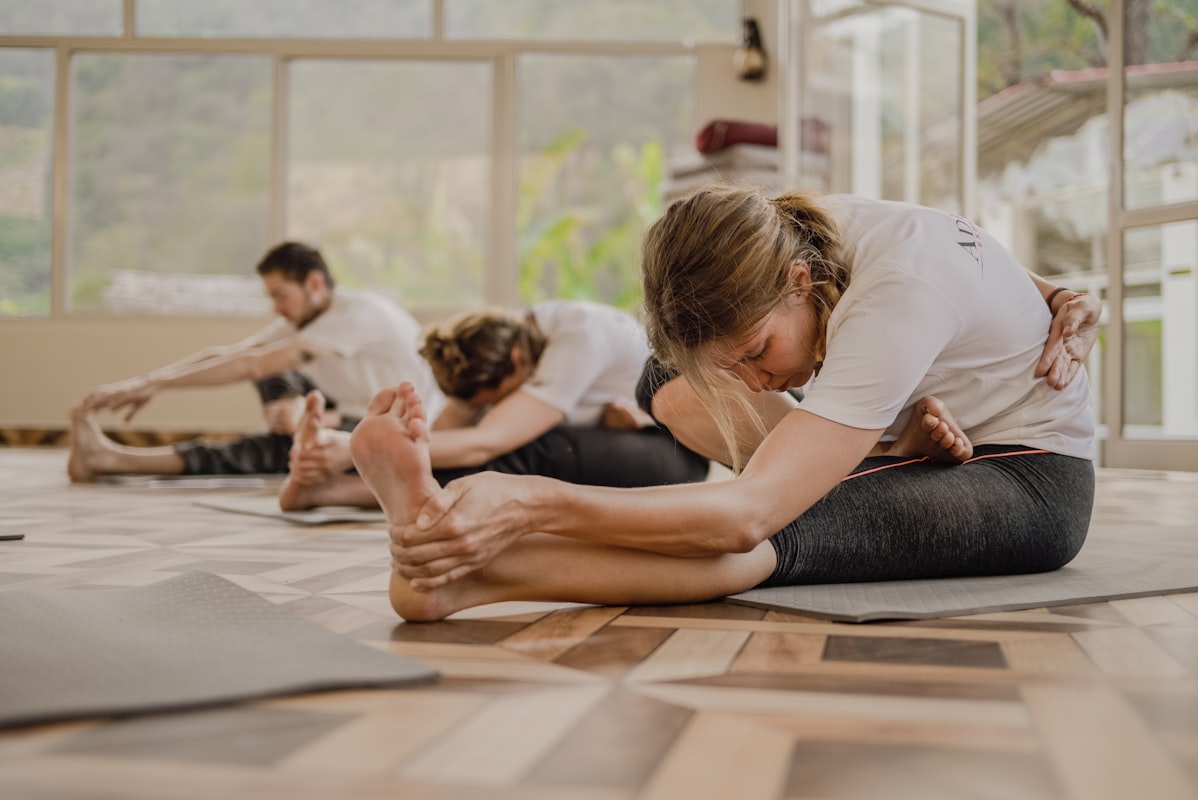
Cat-Cow Pose (Marjaryasana-Bitilasana)
This dynamic sequence mobilizes your entire spine, alternating between gentle flexion and extension. Perfect for warming up the back and improving spinal fluid circulation throughout your vertebrae.
Learn technique →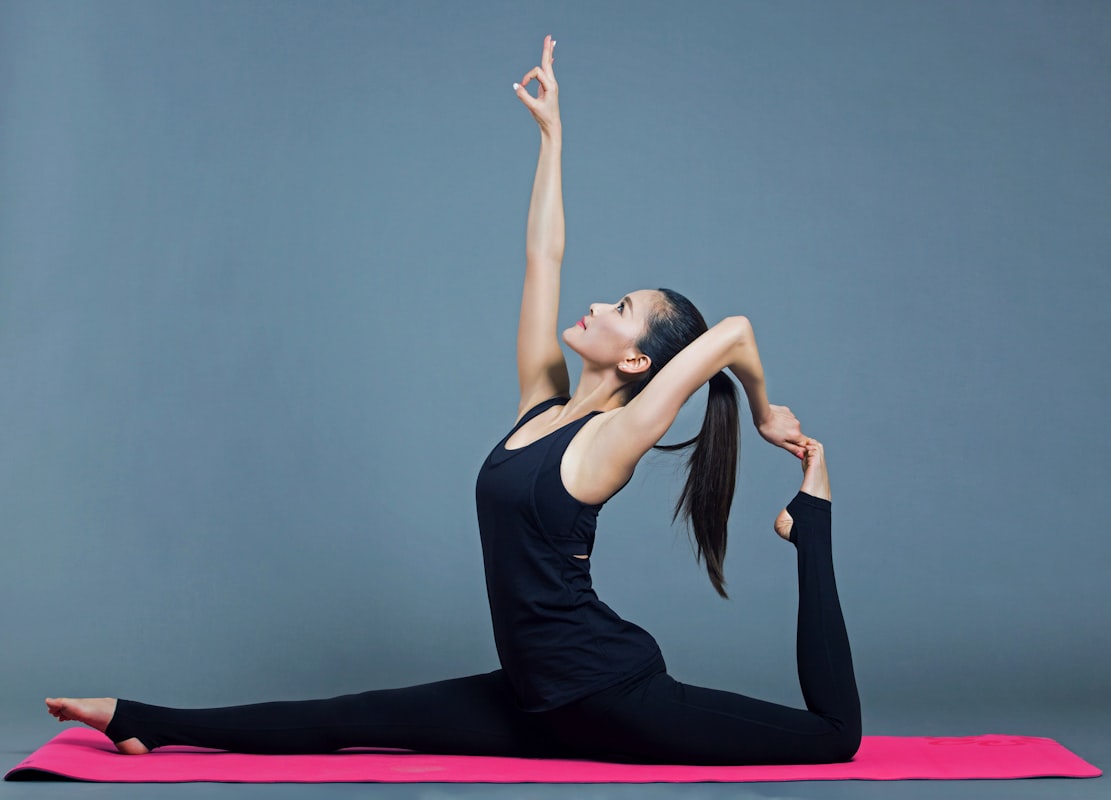
Downward-Facing Dog (Adho Mukha Svanasana)
An inversion that decompresses the spine while building strength in your shoulders and core. This fundamental pose increases blood flow to your back and creates length through the entire spinal column.
Learn technique →
Sphinx Pose (Salamba Bhujangasana)
A gentle backbend that strengthens the erector spinae muscles along your spine. This pose builds strength without excessive pressure, making it ideal for those recovering from back discomfort.
Learn technique →
Bridge Pose (Setu Bandha Sarvangasana)
A powerful core strengthener that stabilizes your lower back and glutes. This pose is highly effective for building the muscular support system that protects your spine during daily movements.
Learn technique →
Pigeon Pose (Eka Pada Rajakapotasana Prep)
An intense hip opener that releases tension in the piriformis muscle, which often contributes to lower back and sciatic pain. This pose improves hip mobility and reduces compensatory back strain.
Learn technique →Stories from Our Community
"I've struggled with lower back pain for years, trying everything from physiotherapy to medications. After three weeks of consistent yoga practice using Breathflowguidance routines, I noticed a dramatic improvement. The guided poses are easy to follow, and the explanations about proper alignment have transformed how I move. I'm pain-free most days now and feel stronger than ever."
Sarah Mitchell
Manchester, United Kingdom
"As someone working at a desk all day, my posture was terrible and my back was constantly achy. The Breathflowguidance approach helped me understand the connection between my tight hips and lower back pain. Now I do the morning routine before work, and it's made a tremendous difference. I have energy I didn't have before, and the pain is minimal."
James Thompson
Birmingham, United Kingdom
"After my disc injury, I was terrified of movement. The gentle sequences on this platform gave me confidence to move safely again. The anatomical explanations helped me understand my body better, and gradually I've regained mobility and strength. The community aspect is wonderful too—knowing others are on similar journeys makes all the difference."
Emma Wilson
Leeds, United Kingdom
"I was skeptical about yoga helping my chronic back pain, but I decided to give it a proper try for six weeks. The structured progression in the routines made it easy to stay committed. Now at week eight, I'm moving better, sleeping better, and my pain levels have dropped significantly. This resource is genuinely life-changing."
Michael Roberts
Bristol, United Kingdom
Common Questions Answered
Yes, yoga can be highly beneficial for existing back pain. However, it's important to start gently and focus on poses that don't aggravate your condition. All our routines include modifications for different pain levels. If you have severe acute pain, consider consulting with a healthcare provider before beginning. Most people can safely start with gentle, supported poses and gradually progress.
Consistency is more important than intensity. We recommend practicing at least 3-4 times per week for noticeable results. Many people find that daily practice, even for just 15-20 minutes, provides the best outcomes. The key is regular, gentle movement rather than occasional intense sessions. Our routines are designed to be manageable within a busy schedule.
Absolutely. Flexibility is something you develop through practice, not a prerequisite for yoga. In fact, people with less flexibility often benefit the most from consistent practice. Our routines include modifications and use of props like blocks and straps to make poses accessible at any flexibility level. Many people are surprised how quickly their range of motion improves with regular practice.
Many people notice initial improvements within 2-3 weeks of consistent practice, though results vary. Some experience relief in muscle tension and mobility within days, while others notice more subtle changes in posture and strength. Significant improvements in chronic pain typically manifest within 4-6 weeks of regular practice. The most important factor is consistency—occasional practice yields minimal results.
Generally, poses that involve deep forward folds or extreme twisting should be approached carefully initially. Avoid heavy backbends if you have acute lower back pain. Our platform provides guidance on which poses are safe for your specific situation. Always listen to your body—discomfort is a signal to modify or skip a pose. The principle is to challenge yourself gently without pushing into pain.
Yes, yoga works excellently alongside other approaches to back health. Many people combine yoga with physiotherapy, massage, or other bodywork. In fact, yoga often enhances the benefits of these other modalities. If you're working with a healthcare provider, share your yoga practice with them so they can provide guidance specific to your situation. Integrated approaches often produce the best results.
Start Your Journey to Back Freedom
Explore our comprehensive library of yoga poses, structured routines, and educational content designed specifically for back pain relief. Join our growing community and discover how mindful movement can transform your wellbeing.