
Transform Your Back Health Through Yoga
Discover evidence-based yoga practices designed specifically to relieve back pain and restore mobility. Breathflowguidance brings you a comprehensive approach to spinal wellness.
Why Yoga Works for Back Pain
Yoga addresses the root causes of back discomfort through targeted stretching, core strengthening, and postural awareness. Our editorial team has researched the mechanisms behind why these practices deliver lasting relief.
Muscle Lengthening & Flexibility
Tight muscles around the spine and hips are a primary source of back strain. Yoga poses gently extend these muscles over time, reducing tension and restoring natural movement patterns.
Core Stabilization
A weak core forces your spine to compensate, leading to discomfort. Through consistent practice, yoga builds deep abdominal and back muscles that support proper spinal alignment and reduce strain.
Postural Awareness
Many people develop poor posture habits that aggravate the spine. Yoga teaches body awareness, helping you recognize and correct misalignment in daily activities.
Nervous System Relaxation
Stress and tension accumulate in the back. Yoga's breathing techniques and mindfulness practices activate the parasympathetic nervous system, allowing muscles to relax naturally.
Core Features of Our Approach
Breathflowguidance combines ancient yoga wisdom with modern understanding of spinal biomechanics to create a holistic back pain relief system.
Evidence-Based Poses
Each pose has been selected based on anatomical research and yoga teaching traditions. We explain the spinal mechanics behind every movement so you understand what's happening in your body.
Personalized Routines
Back pain varies by person—some struggle with upper back tension, others with lower spine issues. Our routines accommodate different pain profiles and fitness levels, from beginners to advanced practitioners.
Breath Coordination
Breathflowguidance emphasizes pranayama (breathing techniques) integrated with movement. Proper breathing enhances oxygen flow, reduces pain perception, and deepens muscle relaxation during practice.
Progressive Progression
Rather than static routines, we guide you through graduated difficulty levels. Beginners start with foundational poses while intermediate and advanced practitioners access deeper variations and longer flows.
Accessible Anywhere
Browse poses and routines on any device—desktop, tablet, or mobile. Clear descriptions, alignment cues, and safety notes ensure you can practice with confidence in your home, office, or while traveling.
Community Support
Join a growing community of people discovering relief and improved mobility. Share experiences, learn from others' journeys, and stay motivated through our engaging editorial content and reader stories.
Your 6-Week Journey to Pain Relief
Most people notice improvement within 2–3 weeks of consistent practice. This structured approach helps you build habits and deepen your yoga practice progressively.
Weeks 1–2: Foundation & Awareness
Begin with gentle poses that introduce proper alignment and body awareness. Focus on basic stretches for the hip flexors, hamstrings, and lower back. Learn fundamental breathing techniques. Most practitioners feel their first wave of relief as chronic tension begins to release.
Weeks 3–4: Core Activation & Stability
Transition to poses that engage your core stabilizers—the deep abdominal and back muscles that support your spine. Practice gentle backbends and forward folds with proper form. As your core strengthens, you'll notice improved posture and less strain during daily activities.
Weeks 5–6: Integration & Maintenance
Flow through dynamic sequences that combine all learned elements. Explore intermediate variations and longer practice sessions. By week six, many people have integrated yoga into their lifestyle and experience sustained relief. The goal is to build a lasting habit that keeps pain from returning.
Week 7+: Long-Term Wellness
Continue with routines that match your current level. Many practitioners graduate to advanced poses and flows. Maintenance is key—even 15–20 minutes of yoga three times per week helps prevent pain recurrence and maintains the mobility and strength you've built.
Specialized Poses & Techniques
Explore the key yoga postures that target different aspects of back health—from spinal mobility to deep core engagement.
Child's Pose (Balasana)
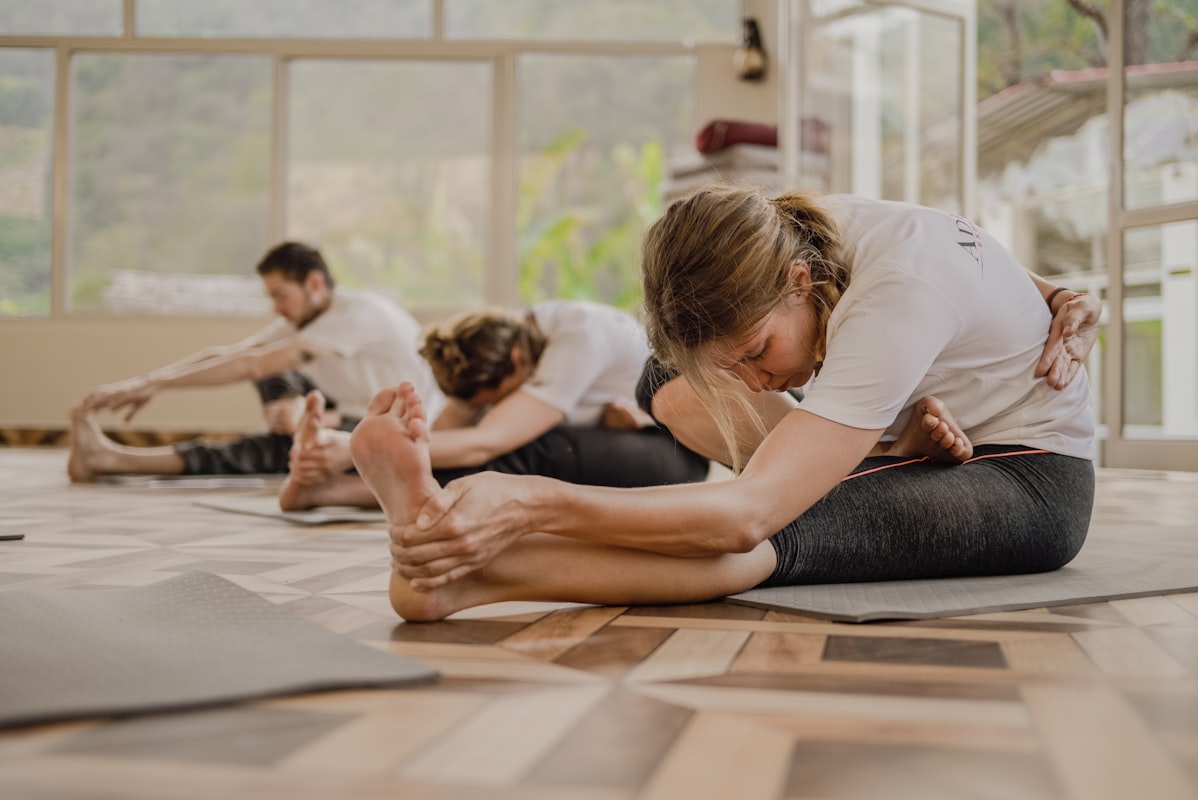
A gentle, restorative pose that gently stretches the lower back, hips, and shoulders. Perfect for beginners and as a recovery posture between more active movements. Helps decompress the spine and calm the nervous system.
Cat-Cow Flow (Marjaryasana-Bitilasana)
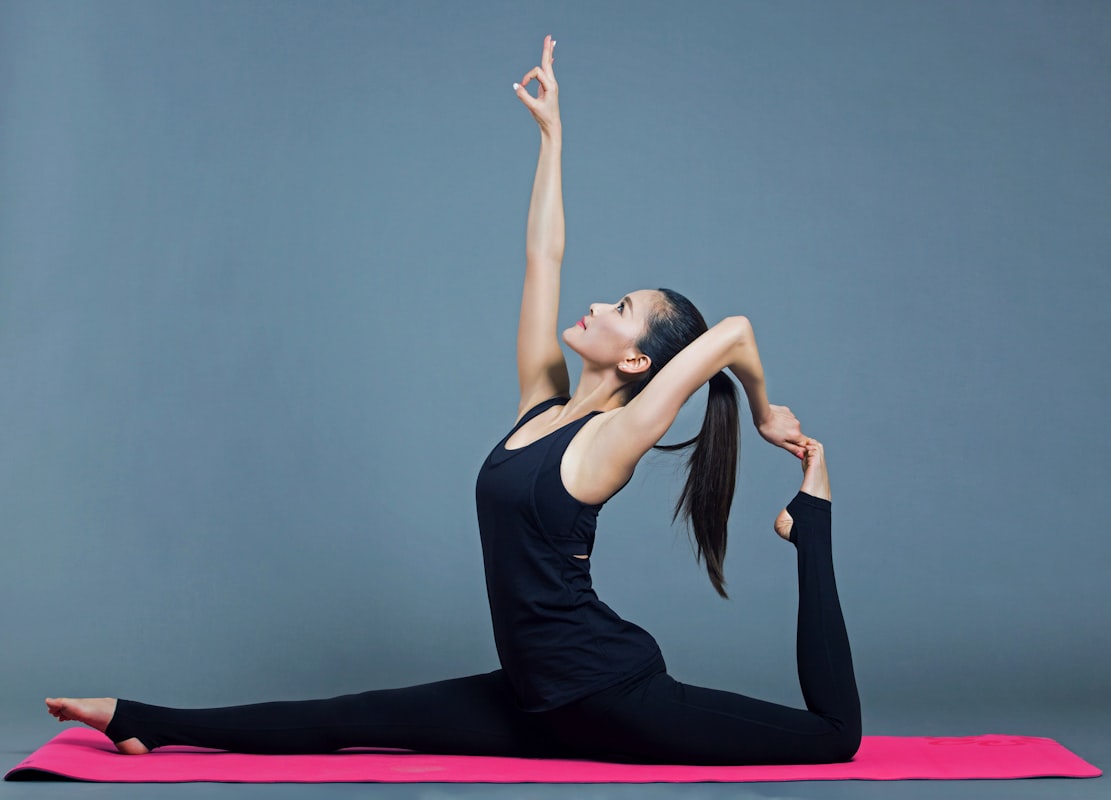
A dynamic warm-up that mobilizes the entire spine through controlled flexion and extension. Increases spinal fluid flow, loosens the vertebral joints, and awakens core engagement. Ideal for morning practice or before longer flows.
Downward-Facing Dog (Adho Mukha Svanasana)
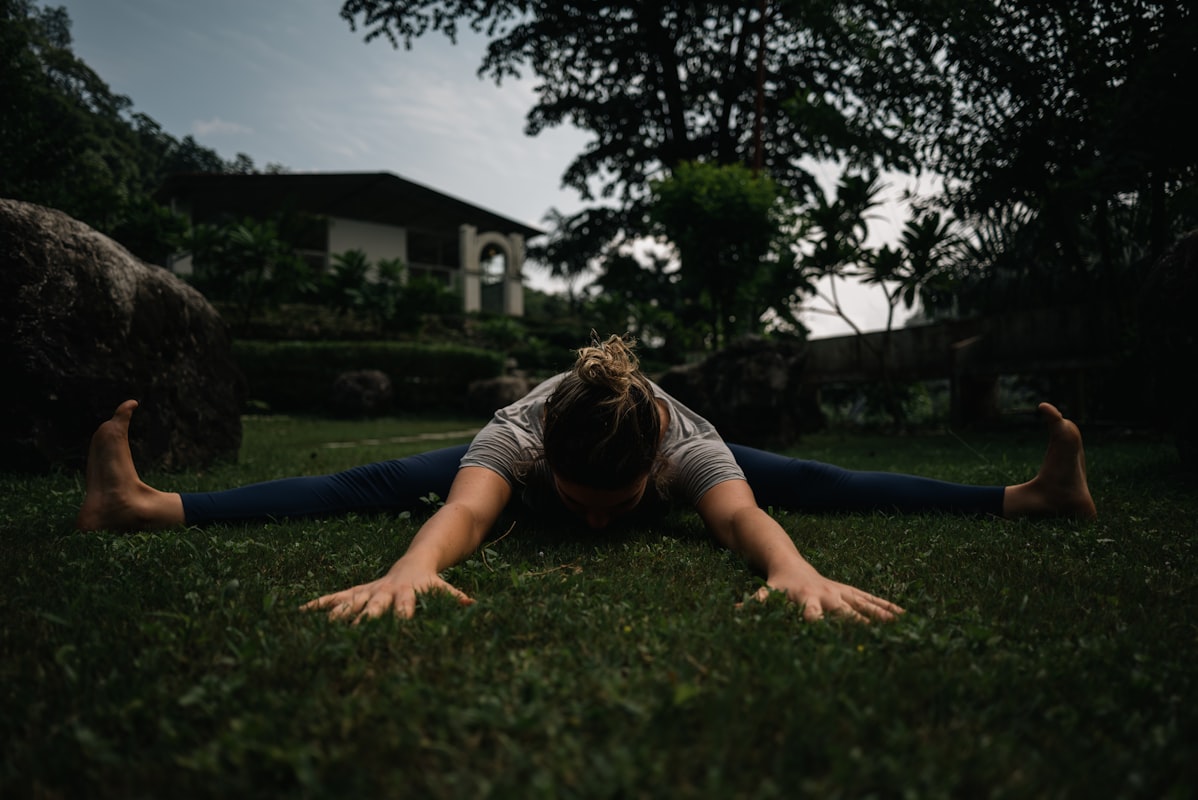
A foundational inversion that lengthens the spine, strengthens shoulders and arms, and improves blood circulation. Offers a gentle traction effect on the spine, making it excellent for decompression. Hold for 5–10 breaths.

Cobra Pose (Bhujangasana)
A gentle backbend that strengthens the back extensors and opens the chest. Improves spinal flexibility and engages the core. Helps counteract forward slouching from desk work. Intermediate and advanced practitioners can explore deeper variations.
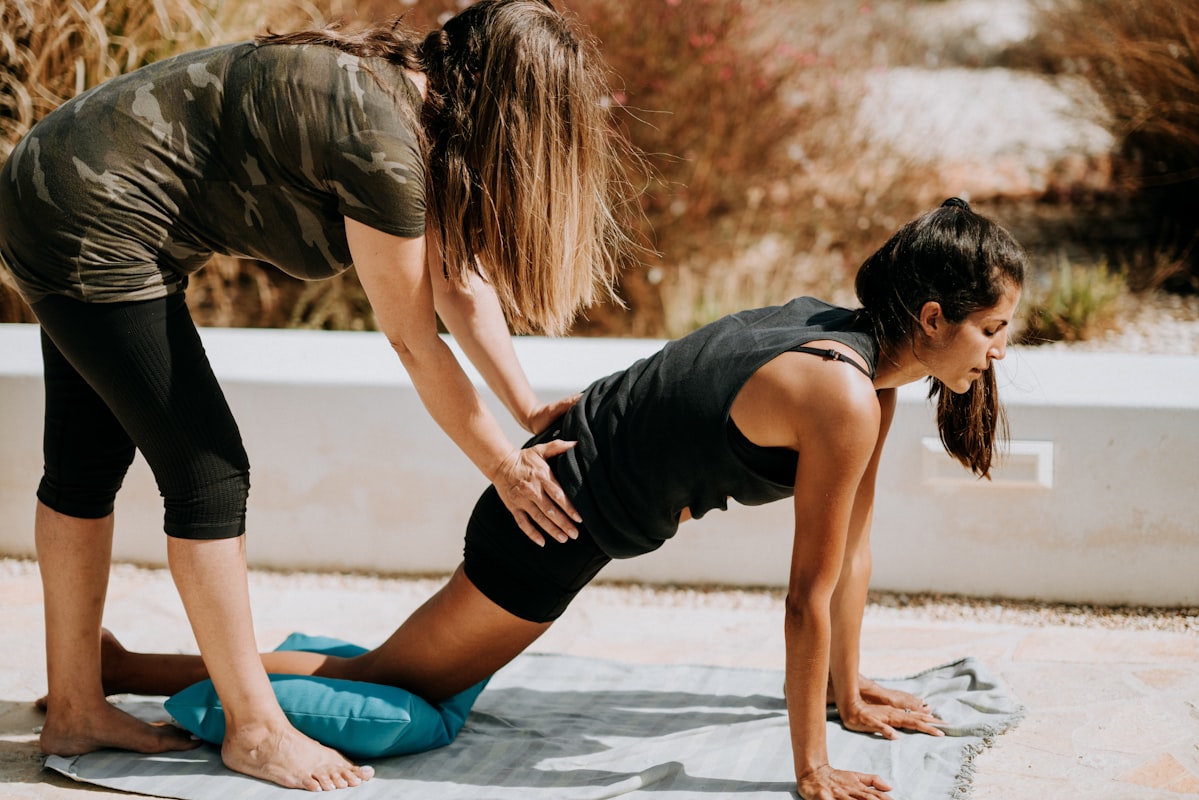
Bridge Pose (Setu Bandhasana)
Powerfully engages the glutes, hamstrings, and lower back stabilizers. Strengthens the posterior chain, which is often weak in people with back pain. Also opens the chest and improves spinal extension while being accessible for all levels.
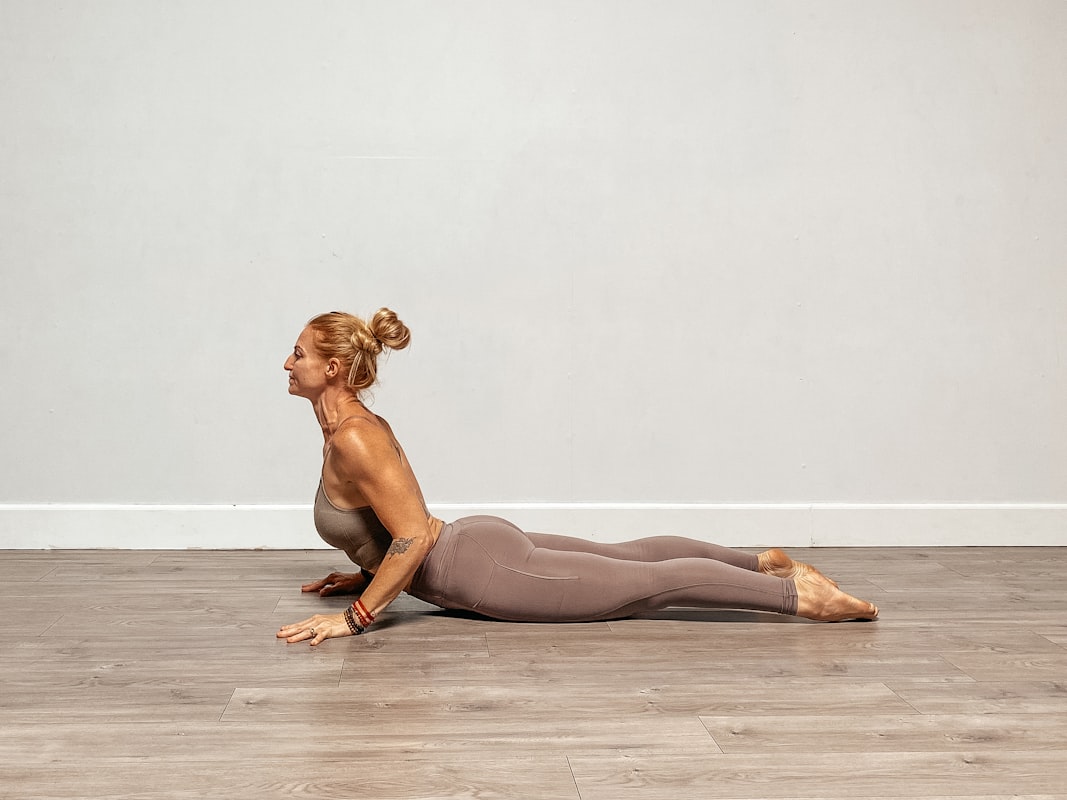
Pigeon Pose (Eka Pada Rajakapotasana Prep)
A deep hip opener that releases tension in the piriformis and hip flexors—muscles that directly impact lower back comfort. Tight hips force compensatory strain on the spine, so this pose is essential for comprehensive back relief.
Real Stories from Real People
Community members share how yoga transformed their relationship with back pain.
"I spent three years with chronic lower back pain from desk work. After discovering Breathflowguidance and practicing consistently for just four weeks, the pain diminished significantly. I now do yoga three times a week and feel stronger and more mobile than I have in years. The detailed pose explanations really helped me understand proper alignment."
Sarah Mitchell
London, United Kingdom
"As someone recovering from an injury, I needed accessible routines I could do at home. Breathflowguidance's progressive approach was perfect—I started with gentle poses and gradually advanced. Within six weeks, my flexibility and core strength improved dramatically, and my back feels stable again."
James Chen
Manchester, United Kingdom
Common Questions Answered
Get clarity on yoga for back pain relief, practice expectations, and how to get started safely.
Yes, yoga can be beneficial for back pain when practised mindfully. Start with gentle poses and listen to your body—never push into sharp pain. Our beginner routines are specifically designed for people with back discomfort. If you have a specific spinal injury or serious condition, consult with a healthcare professional before beginning any new practice. Most people find that gentle, consistent yoga reduces pain over time.
For noticeable improvement, aim for three to four sessions per week. Each session can be 20–45 minutes depending on your schedule and level. Consistency matters more than duration—a short, regular practice is better than sporadic long sessions. Many beginners start with two or three sessions weekly and gradually increase frequency as yoga becomes part of their routine. Even 15 minutes of daily practice can maintain flexibility and core strength once you've built a foundation.
Many people notice improvement within two to three weeks of consistent practice. Some feel relief after just a few sessions as initial muscle tension releases. However, deeper structural changes—like improved core strength and postural habits—take longer, typically four to six weeks. Everyone's timeline is different based on pain severity, flexibility level, and practice frequency. The key is patience and consistency; yoga's benefits compound over time.
No. You can practise yoga anywhere with minimal equipment. A yoga mat (or any cushioned surface) is helpful but optional. Props like blocks, straps, and bolsters add comfort and support, especially when starting out, but they're not essential. Our guides work for home practice, outdoor settings, or studios. The most important thing is a quiet, safe space where you can move freely. Breathflowguidance is designed for self-directed, at-home practice.
Breathflowguidance meets you where you are. All practices are modifications-friendly, and flexibility isn't required. We focus on breath awareness and gentle movement, not extreme poses. Start with beginner sessions and progress at your own pace.
We recommend consulting your healthcare provider before starting any new practice. Our gentle and restorative sessions may be suitable, and you can always modify or skip movements that cause discomfort. Listen to your body first.
What Our Community Says
Join thousands finding peace and balance through mindful breathing.
"Breathflowguidance changed my relationship with stress. Just 10 minutes a day has made me calmer and more present with my family."
Sarah M.
Verified Customer
"I struggled with anxiety for years. These guided practices are accessible, not intimidating. Highly recommend for beginners."
James K.
Verified Customer
"Sleep has never been better. I do a session before bed and wake up refreshed. This is my favorite wellness investment."
Emily R.
Verified Customer
Start Your Breathflowguidance Journey Today
Transform your wellness with guided breath practices. Join our community and experience calm, clarity, and connection.
No credit card required. Full access for 14 days.